Inside a Landscape Designer's Own Backyard: 7 Ideas You Can Steal
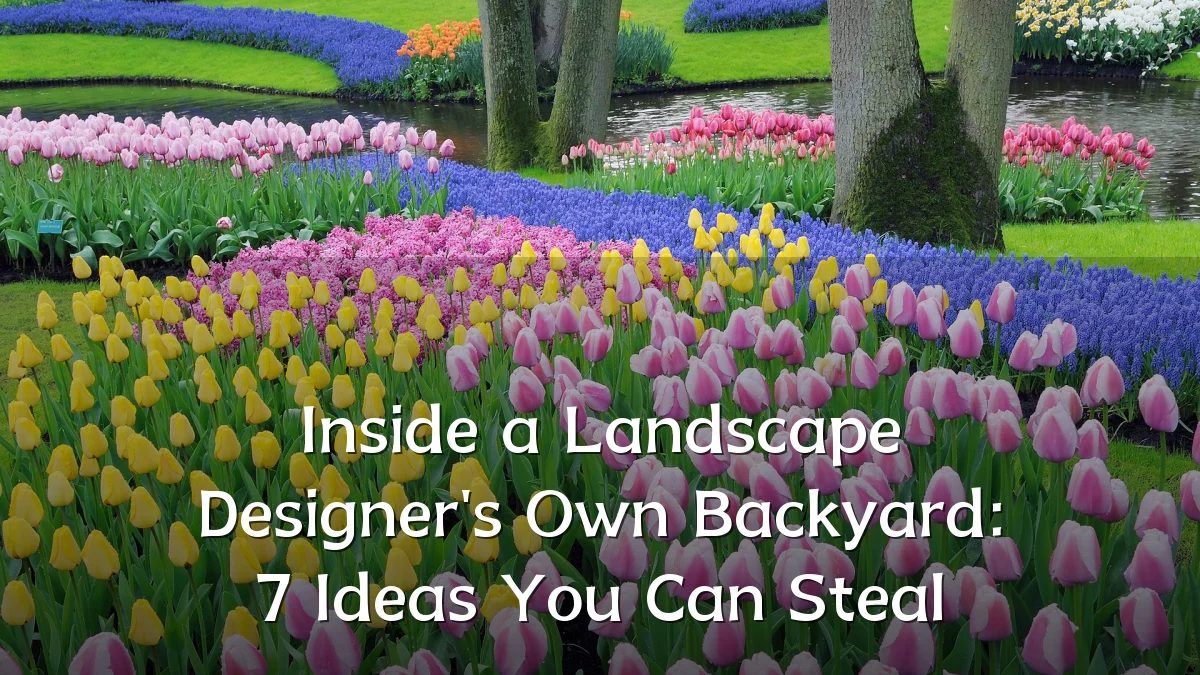
For landscape designers, the home garden is often the most honest portfolio piece: a place to test materials, refine planting schemes, and live with mistakes before recommending them to clients. A close look at these personal projects reveals consistent patterns—most of them surprisingly simple to adapt. The result is not a magazine-perfect showpiece, but a working backyard shaped by real-world constraints of time, budget, and seasonal change.
Recent Trends in Residential Garden Design
The wider residential design conversation has shifted toward usable outdoor space rather than purely ornamental display. Homeowners are asking for zones that function year-round, plant palettes that reduce water use, and layouts that require less constant upkeep. Designers' own backyards often reflect these priorities clearly, without the added pressure of pleasing a client's taste.

- Strong architectural lines delivered through hardscaping and low hedging.
- Mid-sized native and climate-adapted plants replacing high-maintenance exotics.
- Flexible seating and dining areas designed for everyday use, not just hosting.
- Purpose-built storage and work zones integrated into the planting plan.
Background: What a Designer's Own Garden Shows
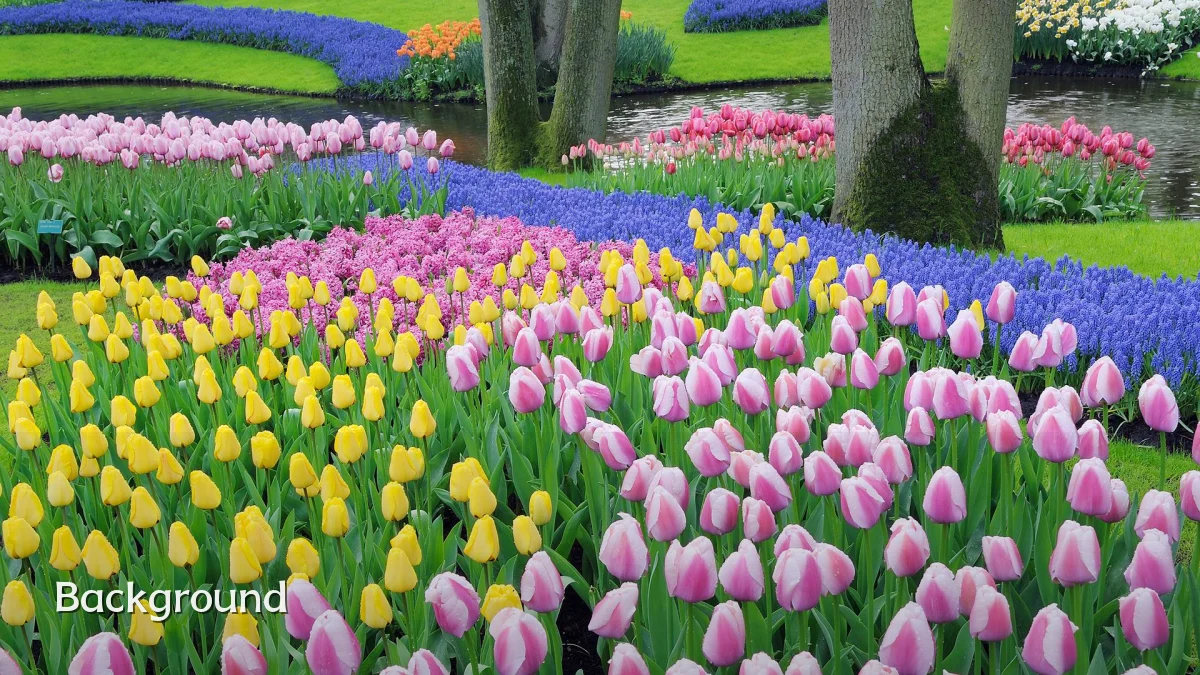
A designer's personal yard tends to be less styled and more instructive than a client project. Because there is no approval process, the garden becomes a practical lab for ideas that can improve an ordinary plot without requiring a large team. Visitors and prospective homeowners often look to these spaces for clues about what really works across seasons. The following ideas appear repeatedly in such gardens.
- Create one clear sight line. A simple path or a single aligned view of a tree, gate, or seating area gives an immediate sense of structure without adding complexity.
- Layer plants in threes. A mix of low ground cover, mid-height perennials, and tall structural plants reduces visible gaps and brings year-round interest.
- Repeat a single hardscape material. Using the same paving or mulch finish in connected areas visually enlarges the space and simplifies maintenance.
- Keep a flexible open patch. Leaving some ground unpaved or unplanted allows for chairs, children's play, or future changes without major rework.
- Use vertical surfaces. Trellises, fence panels, or wall-mounted containers expand planting room and add privacy where ground space is limited.
- Choose plants for four seasons. A blend of evergreen structure, early bloomers, summer foliage, and late seed heads keeps the garden active in every quarter.
- Zone for chores and compost. A small screened corner for tools, mulch, or compost keeps practical needs out of view while preventing clutter from spreading.
User Concerns: Cost, Effort, and Conflicting Advice
Homeowners looking at designer gardens often worry that the final look depends on professional maintenance or a high budget. Practical concerns also arise around irrigation, planting failure, and whether the same ideas can work in a smaller or differently shaped yard. The main friction points are usually consistency and time, not the scale of the project.
- Confusion over how much soil preparation is necessary before planting.
- Fear that a strong design will feel bare in the first year.
- Uncertainty about which features genuinely save labor and which create more.
- Concern about matching professional-grade hardscaping with existing property conditions.
Likely Impact on Homeowners and the Industry
As more designers share their private gardens through articles, open days, and social media, the expectation for attainable design rises. Homeowners are likely to request clearer planting plans rather than just a list of decorative blooms. The wider impact may include a gradual shift toward low-water layouts, fewer separate lawn areas, and more thoughtful placement of storage and utility spaces.
For land-based businesses, designer-led content can drive interest in consultation packages, planting-plan services, and maintenance programs. The practical tone of these projects also encourages a smoother conversation about realistic budgets and long-term plant care.
What to Watch Next
The next stage in this trend is likely to emphasize site-specific detail: how the same seven principles adjust for sloping plots, coastal exposure, or heavy shade. Climate-adapted planting will probably become more central as seasonal conditions shift. There may also be more focus on the working side of gardens—compost cycles, rain collection, and edible elements—as homeowners seek outdoor spaces that are both beautiful and functional.
Watch for broader access to these ideas through planting templates, online garden-planning tools, and short-form video tours. The central message remains the same: a designed garden does not need to be extravagant, only intentional.