Bringing the Outdoors In: Biophilic Architecture Trends for 2025
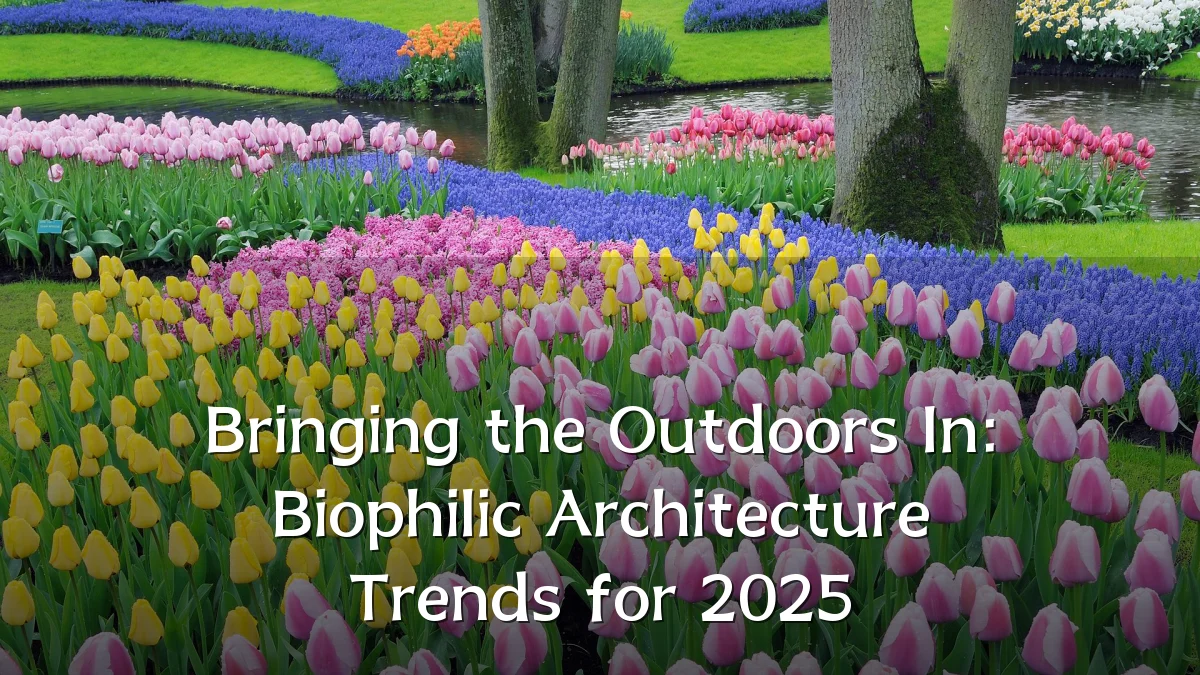
As the architectural community moves deeper into the 2025 planning cycle, biophilic design is evolving from a niche aesthetic into a fundamental component of mainstream building strategy. The premise is straightforward: humans possess an innate need to connect with nature, and the built environment can either support or suppress that connection. However, the specific methods architects are employing to achieve this connection are becoming significantly more sophisticated, moving beyond simple decorative greenery into dynamic, performance-based systems.
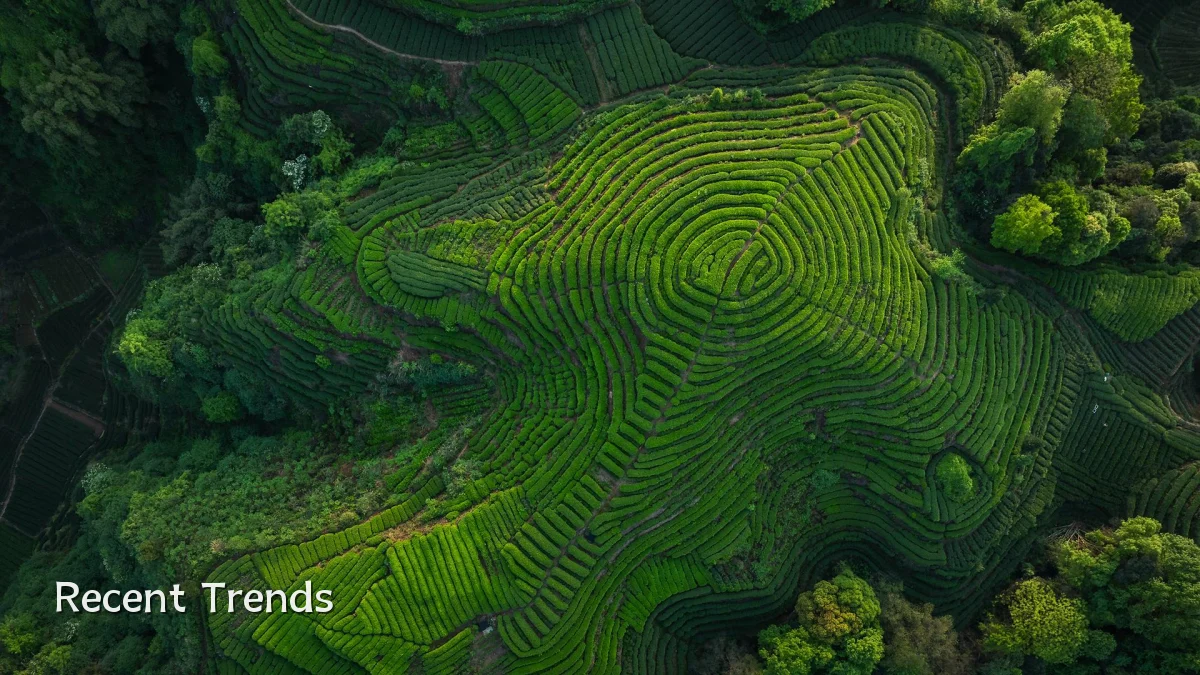
Recent Trends: Moving Beyond Surface-Level Greenery
The most notable shift in current practice is a move toward integrating nature into the structural and mechanical fabric of a building, rather than merely adding it as a post-construction layer. This involves a deeper consideration of how a structure mimics natural processes, prioritizing sensory experience alongside visual aesthetics.
- Sensory Hydrology and Acoustics: Instead of static vertical gardens, designers are incorporating active water features and textured natural materials specifically engineered to modulate internal acoustics and humidity, creating a multi-sensory environment that mimics outdoor conditions.
- Biomorphic Structural Design: There is a growing reliance on mass timber, rammed earth, and geometrically complex facade systems. These materials and forms are chosen not just for their carbon footprint, but for their ability to replicate natural structural logic, offering load-bearing capacity while visually breaking up rigid urban lines.
- Circadian Lighting Integration: Advanced glazing and automated shading systems are being deployed to manage daylight exposure, aligning indoor illuminance with natural circadian rhythms. Sensors now coordinate artificial lighting with external weather patterns, rather than relying on static indoor lighting levels.
Background: From Green Ratings to Human Performance
The contemporary biophilic movement finds its theoretical roots in the mid-1980s with biologist E.O. Wilson’s "Biophilia" hypothesis, which suggested that human emotional and cognitive development is deeply tied to the natural world. However, its architectural application initially stalled, largely categorized under the umbrella of sustainable design and green building certifications like LEED and WELL. In the past decade, the focus has shifted. While early adoption concentrated on reducing energy consumption, current discourse treats nature not merely as a regulatory mechanism, but as an active participant in occupant wellbeing and productivity. The pandemic accelerated a pre-existing demand for healthier indoor air quality and proximity to natural light, pushing biophilic principles from commercial amenity spaces into residential and institutional design guidelines.

User Concerns: Cost, Maintenance, and Climate Adaptation
Despite the momentum, several practical hurdles remain at the forefront of consumer and developer concerns. The perception of biophilic architecture as a high-cost, high-maintenance endeavor continues to influence project scoping and feasibility studies.
- Upfront Investment: Living facades and smart water-recycling systems carry a higher initial capital cost compared to conventional cladding. Where budgets are tight, the emphasis is shifting toward passive design measures—optimized window placement and natural ventilation—over active mechanical interventions.
- Maintenance Logistics: A vertical garden is a living system that requires irrigation, occasional horticultural care, and structural waterproofing inspections. Developers are increasingly looking for native, drought-resistant plant species and automated monitoring platforms to reduce the lifecycle operating burden.
- Regional Context: A one-size-fits-all approach is largely ineffective. Designs intended for temperate zones require significant re-engineering to perform effectively in arid or high-humidity climates. Success depends on localized research into indigenous flora and climate-responsive building materials.
Likely Impact: Health Metrics and Property Valuation
As the practice matures, the measured impacts are moving from anecdotal preference to quantifiable outcomes. In the immediate future, the integration of biophilic elements is expected to influence real estate valuation and healthcare outcomes directly.
Evidence suggests that access to natural views and non-toxic materials correlates with measurable reductions in patient recovery times and occupant stress markers. In commercial office settings, this translates into improved cognitive performance and lower employee turnover rates, positioning biophilic design as a talent acquisition tool rather than an optional indulgence. From an asset management perspective, buildings with credible, third-party verified natural integration are likely to command higher rental premiums and demonstrate stronger resilience against tightening regulatory standards regarding embodied carbon and biodiversity net-gain policies.
What to Watch Next: Regenerative Systems and Urban Policy
Looking forward, the next phase of biophilic architecture will likely extend beyond the building envelope to consider waste cycles and ecosystem restoration. The focus is shifting from the building as an object to the building as a habitat.
- The Rise of Regenerative Design: Practitioners are exploring how structures can generate surplus water or energy for surrounding ecosystems, effectively operating as artificial reefs or nutrient sources for local wildlife. The goal is transitioning from "net-zero" impact to a "net-positive" ecological footprint.
- AI-Driven Environmental Tuning: Predictive software is being developed to adjust a building's ventilation, shading, and natural air purification systems based on real-time user occupancy and local weather forecasts, creating a dynamic, living facade that responds to immediate environmental cues.
- District-Scale Biophilia: Individual plots are increasingly insufficient to create meaningful ecological connectivity. Expect to see zoning policies that incentivize green corridors and shared park-like infrastructures connecting multiple private developments.
As 2025 approaches, the industry is converging on a consensus that nature-infused architecture is a measure of resilience and building quality. The focus is on the operational performance of these spaces, ensuring that the connection they provide to the outdoors is not just a visual amenity, but a functional, integrated component of daily life.